
Wealth
and Life
Planning for
Professional
Athletes.
Wealth and Life advisory for the athletes, entertainers and founders who earned a fortune in a fifteen-year peak, and now face sixty years living off it.
Your career may be short.
Your life after isn’t.
Professional fortunes are earned inside a narrow window. Everyone around you is working to maximise it. But that window closes long before your life does. What follows needs money that lasts, health that holds, relationships that survive it, and something worth doing. That work cannot start the day the earning stops. When the window has closed, you keep the consequences.
The peak earning window for most professional athletes, entertainers, and founders.
The life that follows is 4x longer than the career that has to fund it.
The size of the team planning for your wealth to last a lifetime.

Wealth is one point of four.
The Laureate Compass is how we hold a whole life in view. Wealth, Vitality, Relationships, Purpose. 4 Pillars. All matter equally.
Wealth
The engine, not the scoreboard. Structure, liquidity, jurisdiction and stewardship, arranged so a short earning window behaves like a lifetime of income. It matters because fast money, left in career-era structures, rarely survives the second act.
Vitality
The body carried the first act. The second act is longer. Health span, energy and performance are planned here with the same rigour as the portfolio. The other three pillars only matter for as long as you are well enough to use them.
Relationships
The room changes when the season ends. Family, partners, and the small circle that remains are planned for deliberately: who advises, who decides, who benefits. The wrong table costs more than the wrong trade.
Purpose
What the next act is for. Ventures, ownership, legacy, work worth doing: direction is designed, not stumbled into. It matters because capital without a destination gets spent answering the wrong question.
Team of Experts.
Regulated investment and wealth advice is delivered by Swaen Capital, a MAS-licensed firm.
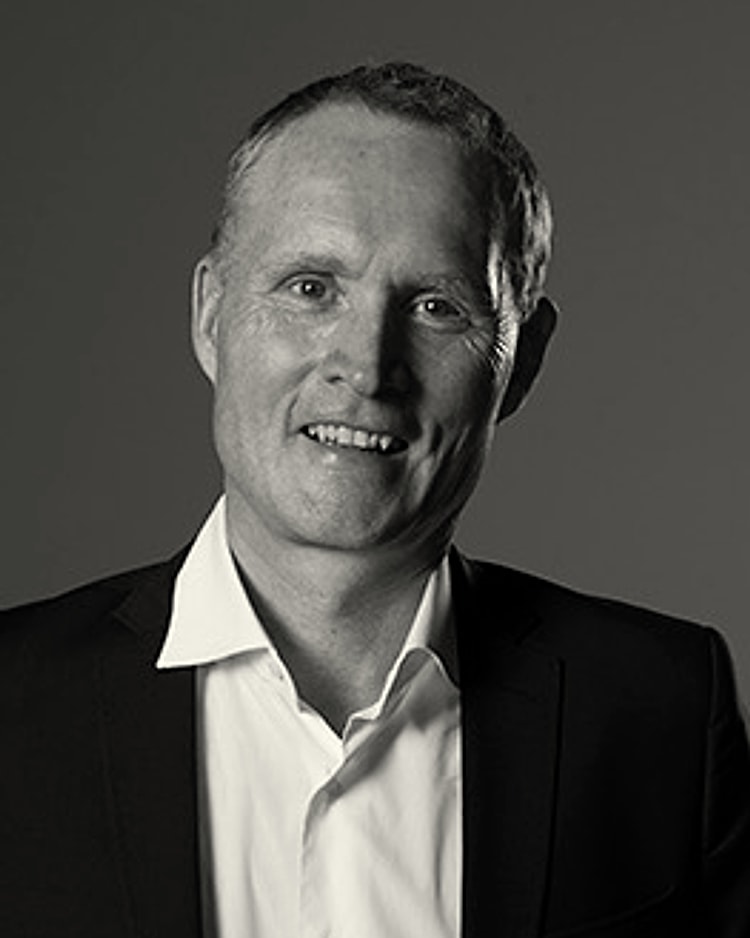
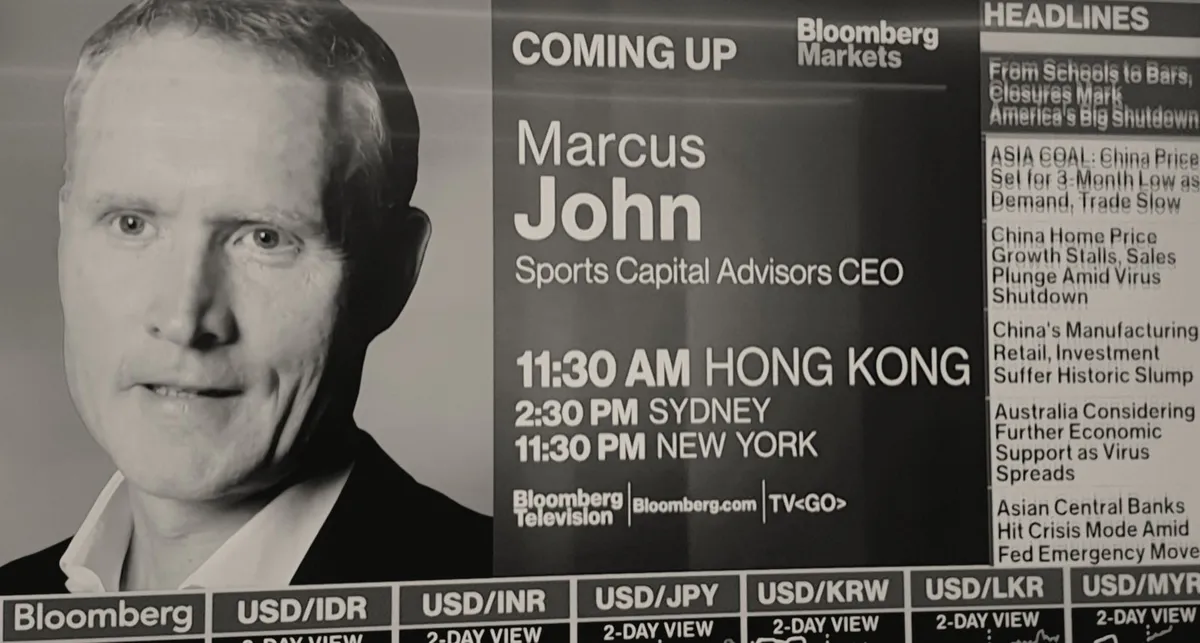
Marcus John
Founder
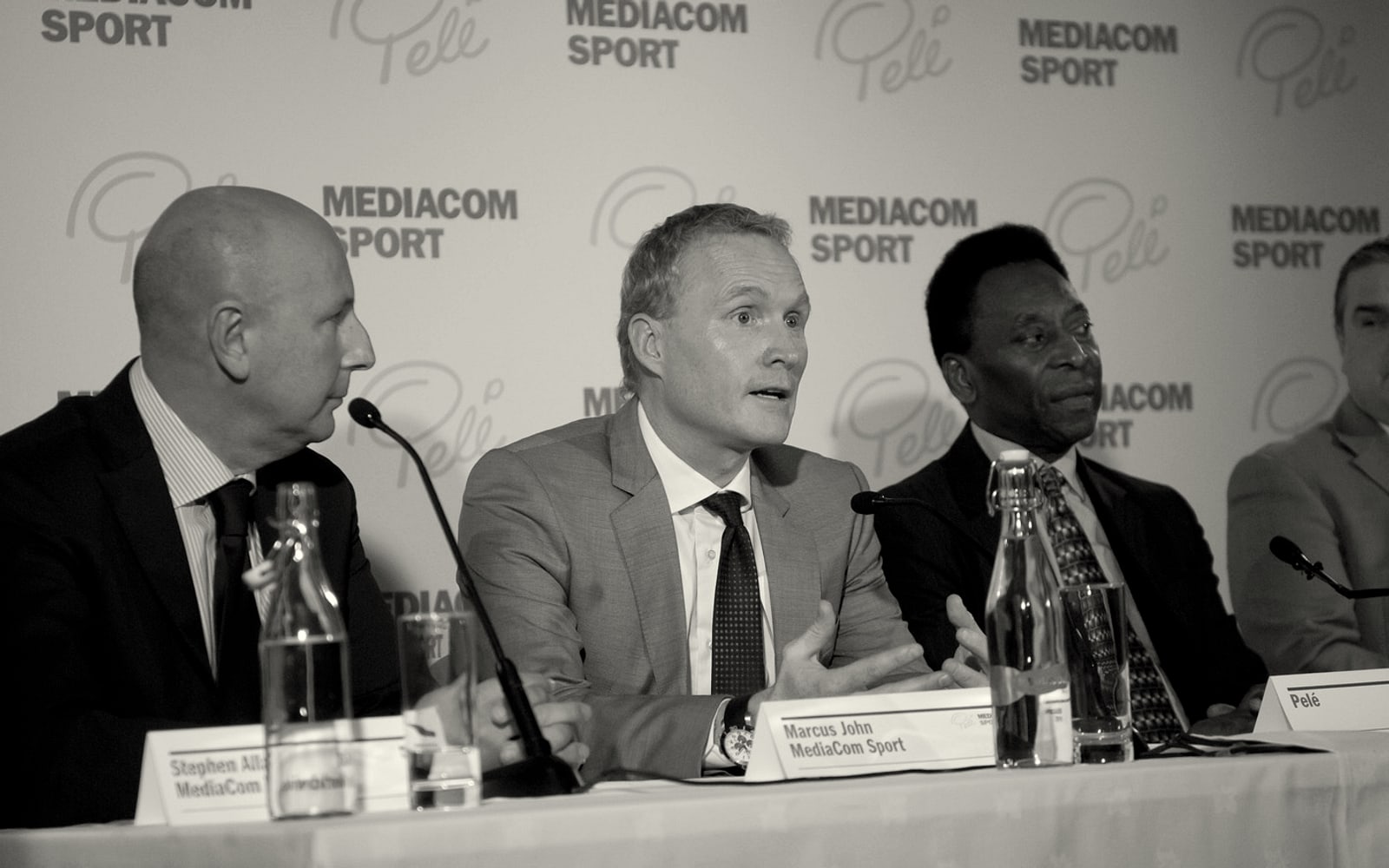
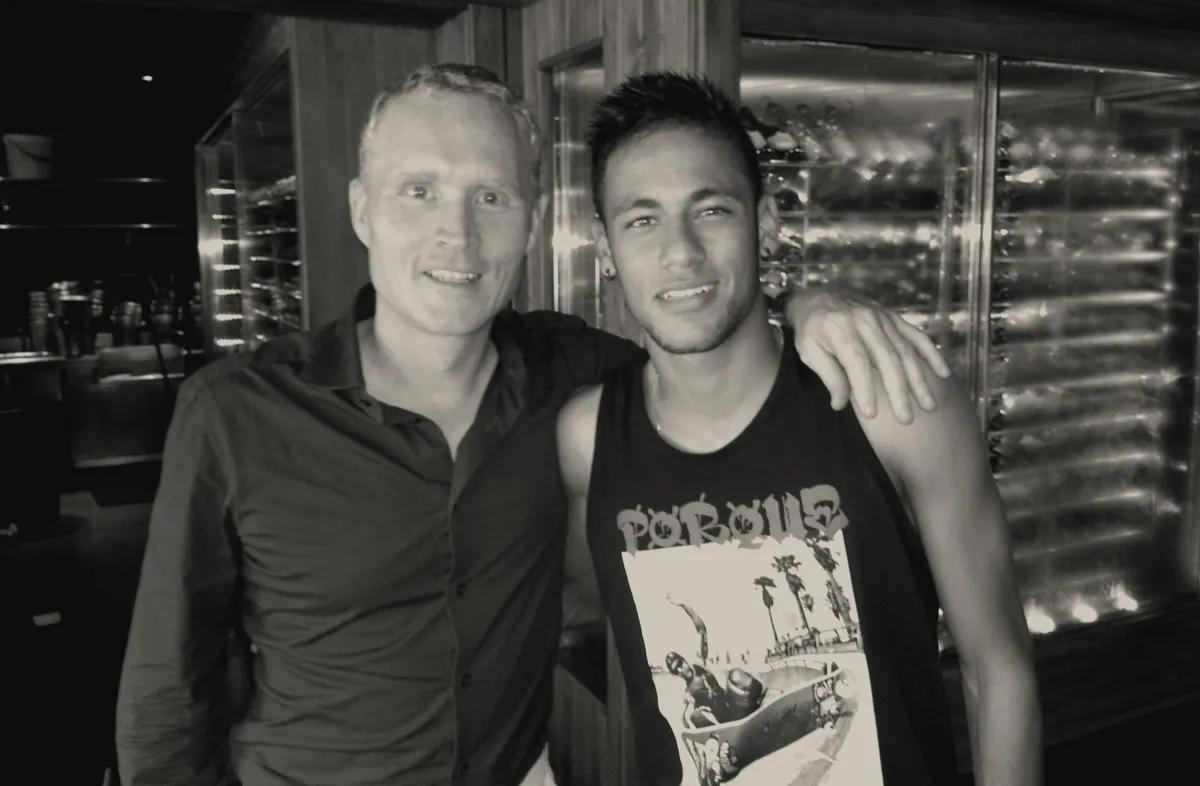
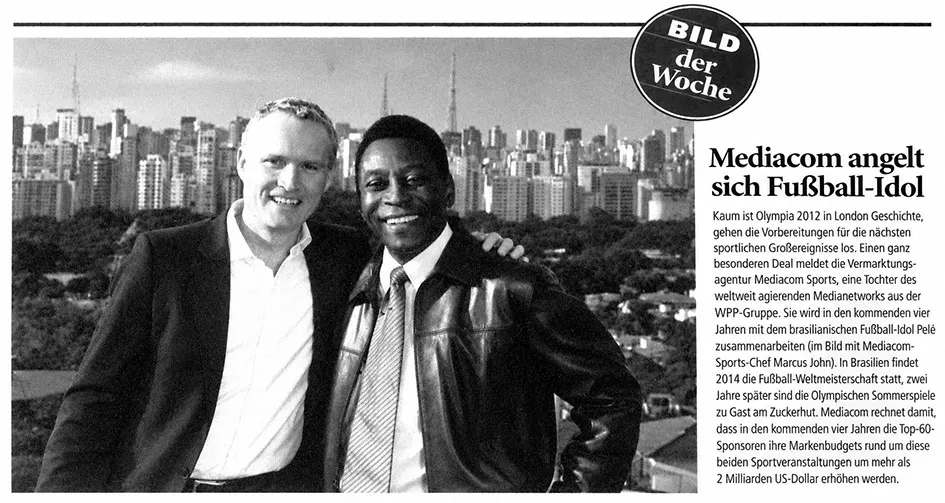
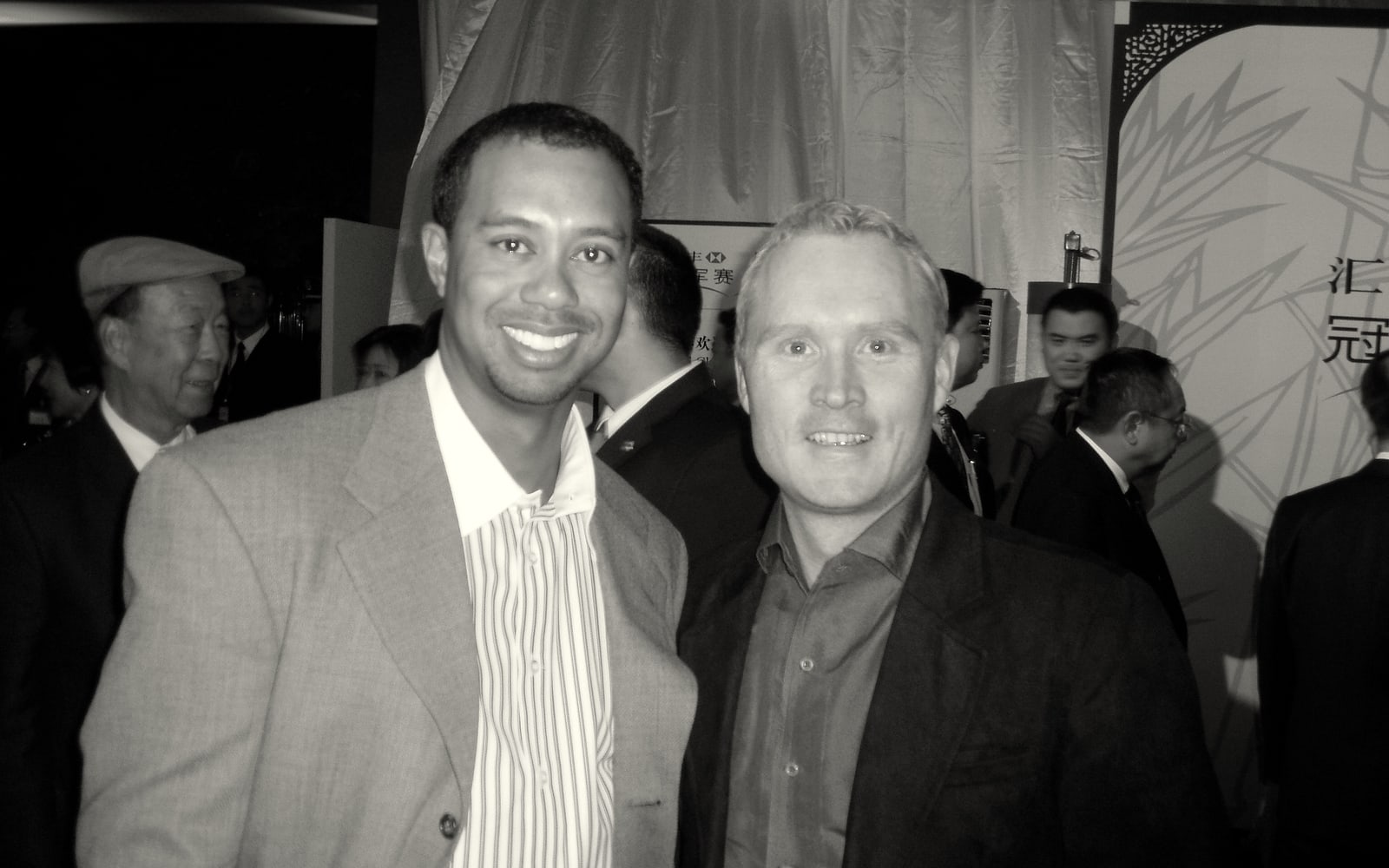
30 years in global sports, on both sides of the table. More than $600m in commercial rights negotiated. He’s been in the room for all of it — from representing Pelé to securing partnerships for Federer, Woods and Ronaldo, across the Olympics, Formula racing and the World Cup.
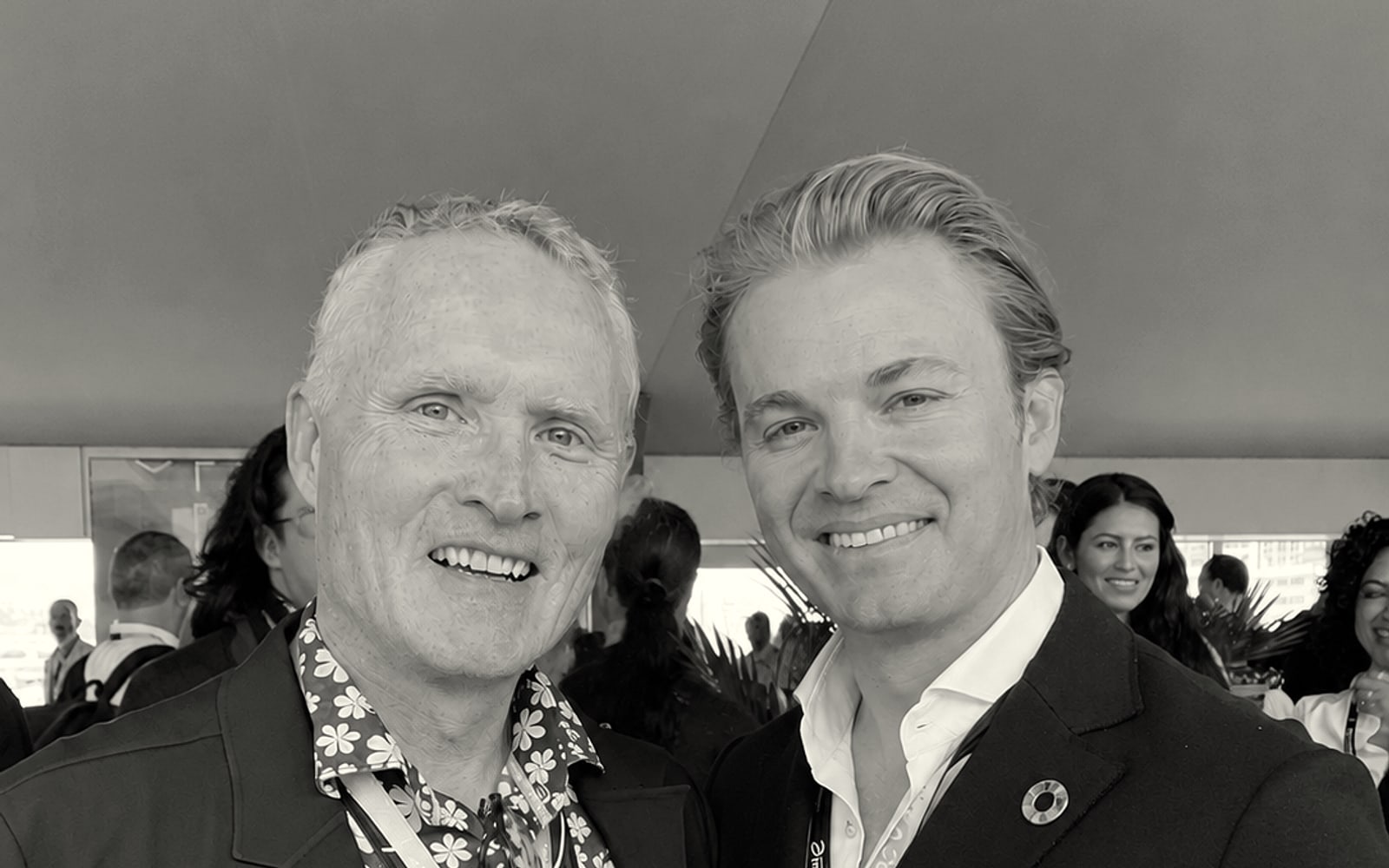
For more than 30 years, Marcus has operated at the intersection of sport, money and commercial opportunity — representing, negotiating and building businesses around some of the world’s biggest names and institutions, from Pelé and Tiger Woods to FIFA, the Olympic Games, IMG, WPP, ESPN, the ATP Tour, Formula-1 and Formula-E.
He began his career as an agent, representing ATP and WTA players through Wimbledon, the US Open and Roland Garros. He went on to sign Pelé to commercial representation and secure partnerships for Tiger Woods, Roger Federer and Ronaldo — negotiating the contracts, the terms, and gaining a front-row view of what happened to the money afterwards.
At IMG, he built the consulting business across Asia-Pacific and negotiated Volkswagen Group’s sponsorship of the 2008 Beijing Olympics — the first domestic Olympic deal in history to surpass $100 million. He later built the global sports division at WPP’s MediaCom Worldwide before founding Sports Capital Advisors.
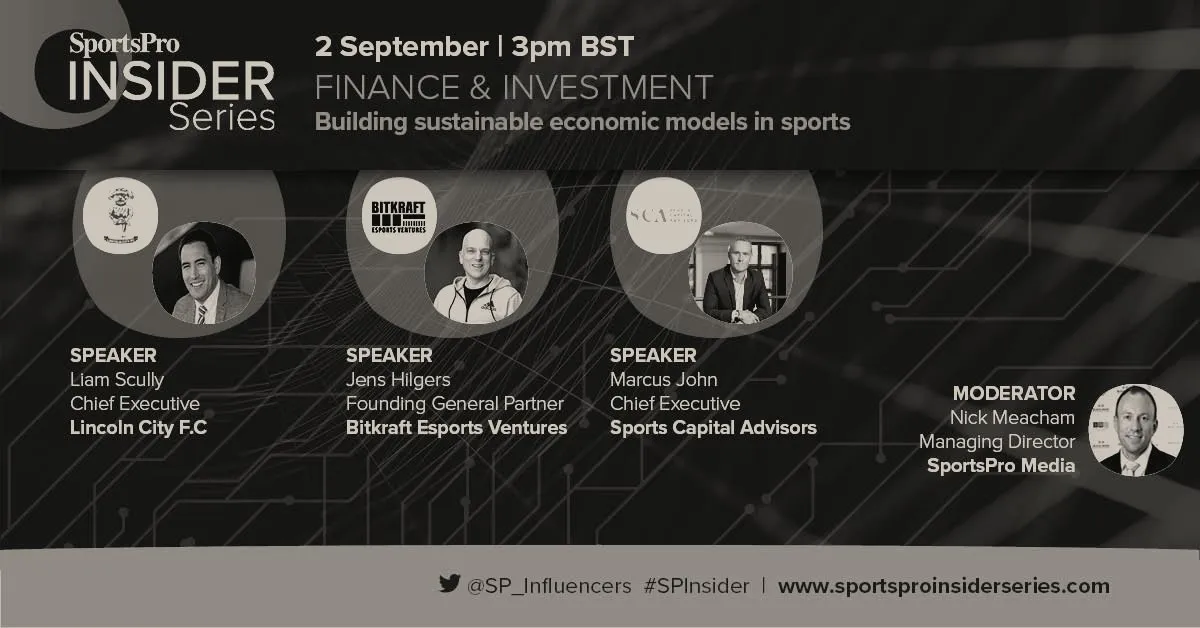
He has advised Formula E since 2014 and worked across football, tennis, golf and Olympic sports — negotiating commercial deals and advising boards. He mentors founders and chief executives at HYPE Sports, the world’s leading sports innovation ecosystem, connecting more than 11,000 startups with over 100 clubs, federations and brands.
Most athletes don’t plan for the end while the money is still arriving. The consequences arrive later, and they are never only financial.
Laureate is the firm Marcus wishes had existed for the athletes he advised.
Through Laureate Capital Partners, he now works with professionals in their peak earning years to build what comes after: money that lasts, health that holds, relationships that survive it, and something worth doing next.
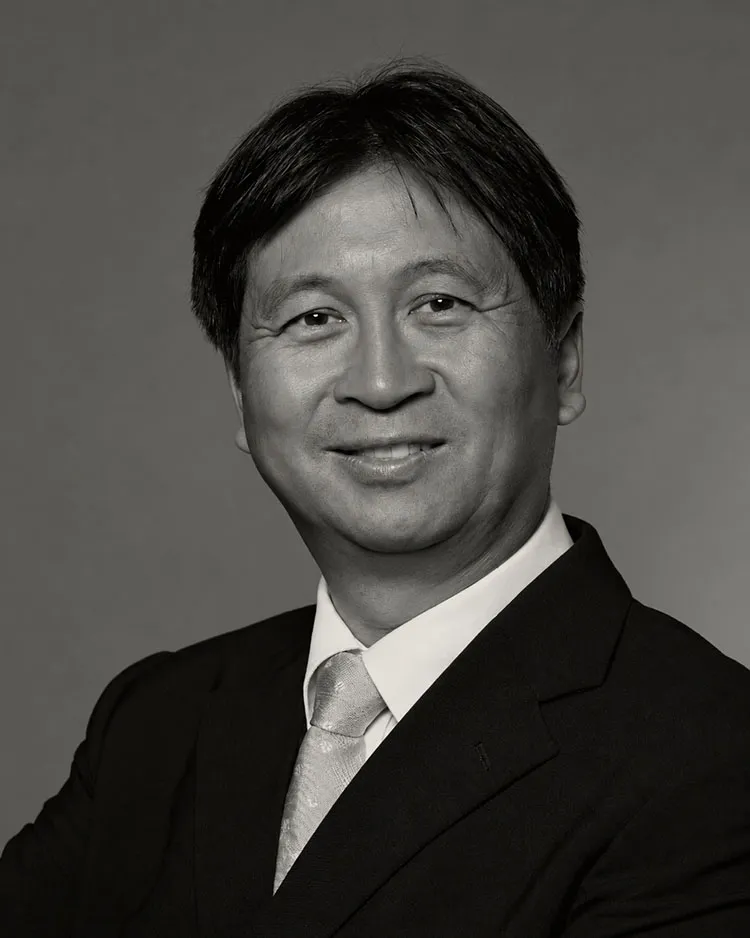
Cliff Go
Wealth Management
35 years of senior wealth management. Advising the world's largest institutions and family offices.
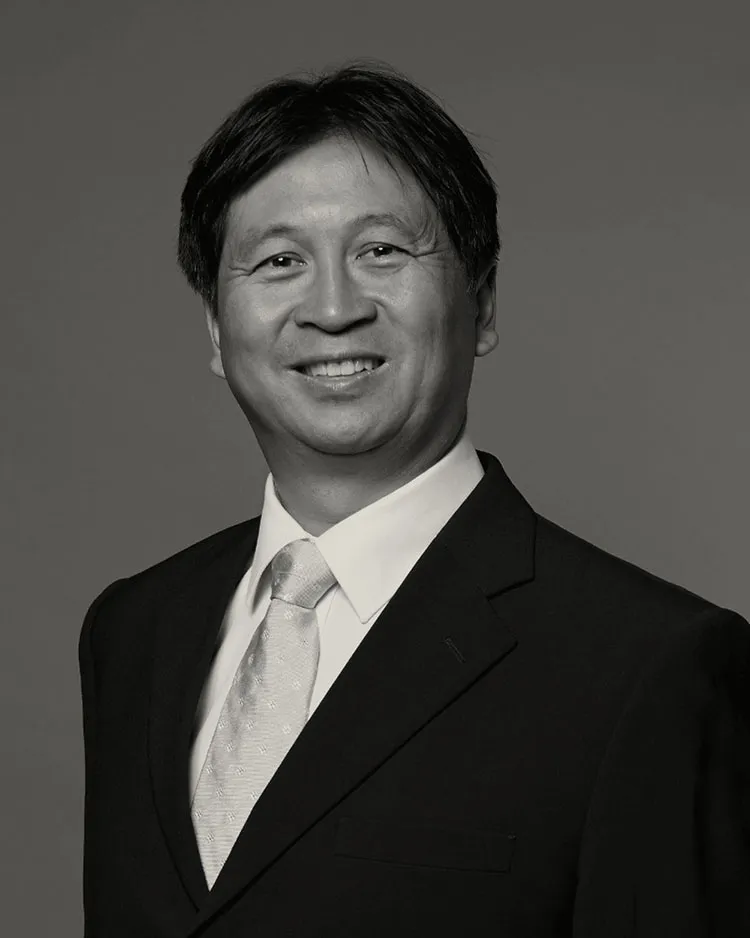
Cliff is CEO of Swaen Capital. He started in Singapore at Lehman Brothers, then Prudential-Bache. In 2000 he co-founded KE Swan & Co, a joint venture with listed Kim Eng Holdings, built it, then sold it to Commonwealth Bank of Australia in 2005. When Schroders acquired CBA Singapore's wealth management business in 2008, he served as Executive Director, Advisory at Schroder & Co. (Asia) Limited until December 2010.
He founded Swaen Capital in 2011 and remains its chief executive. The firm is built on an open architecture and a fee-based model: every solution is assessed on its merits, whether Swaen's own or a third party's, and the firm is paid by its clients rather than by product providers, making it fully aligned with its clients.
Swaen Capital holds a capital markets services licence from the Monetary Authority of Singapore. Cliff holds a Master of Science in Economics from VU Amsterdam and completed postgraduate studies at George Washington University. He has taught the private equity course at INSEAD Singapore as adjunct professor and designed a career-planning bootcamp for its entrepreneurial MBA students.
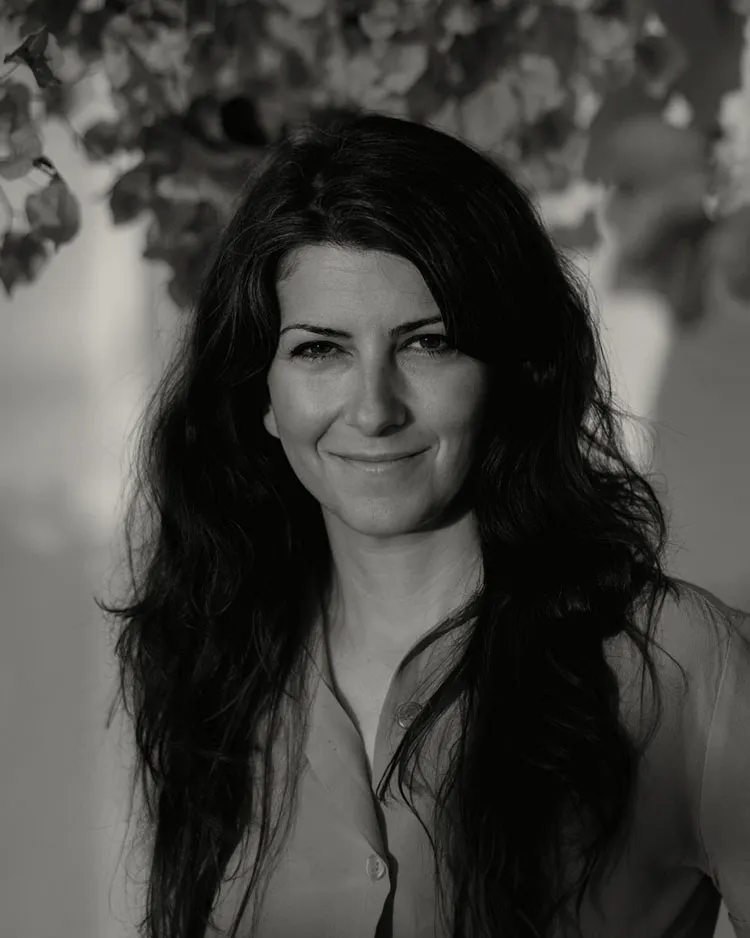
Dr. Linda Bedessian, DC
Vitality and Relationships
Doctor of Chiropractic, Neuroenergetic Alignment. Preventing injury before it becomes a career problem. Dr. Bedessian doesn't wait for the injury. Her work is to prevent it. In clinical practice since 2005, she specialises in the nervous system — the system that governs how a body handles load, how it recovers, and what it does instead when recovery is incomplete.
In elite performance, compensation can stay invisible for years. An athlete may push through five or ten seasons, but the body always keeps a ledger. Eventually the bill arrives as recurring injuries.
Creator of the Back in Command Method, Dr. Bedessian identifies the patterns beneath chronic injuries. She identifies what the body is protecting and adapting to, listening to what it is trying to whisper before it is forced to scream.
She has written extensively on sports injuries that fail to heal as expected and what conventional approaches can miss.
She has taught on five continents, to audiences including YPO chapters and Tony Robbins programmes. Her objective is clear: resolving the root of chronic injuries turns proactive prevention into career longevity.
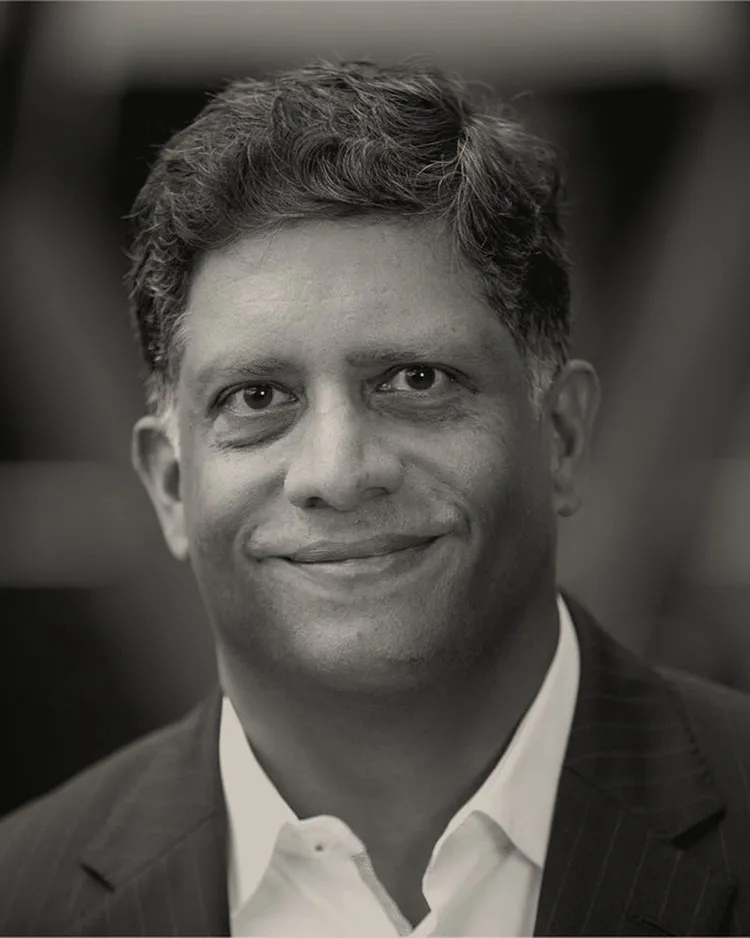
Ganesh Rajaram
Purpose
Former CEO, Fremantle Media Asia & Latin America. Three decades building businesses, brands and careers across Asia.
Ganesh spent more than two decades at Fremantle, one of the world’s largest independent studios, rising to Chief Executive for Asia and Latin America and a seat on the global leadership team. He built the company’s Asian business from a standing start into the region’s pre-eminent content operation, and doubled earnings across his territories as CEO.
Before Fremantle, he held senior roles at MediaCorp and SPH MediaWorks in Singapore, following an early career as an award-winning sports columnist. He served as a Nominated Member of Parliament in Singapore, sat on the board of the country’s Media Development Authority, and completed the Advanced Management Programme at Harvard Business School.
He has spent three decades building businesses, leading at the highest level, and operating across cultures and markets. Today, he advises selected organisations across media, content and the public sector — and brings that experience to those navigating what comes after a career at the top, helping them find what comes next — and why it matters.
We work with.
Directly, and through the professionals who sit around an athlete’s career. We can provide a full white-label solution for licensed agents.
What Laureate Capital Partners helps you avoid.
Hundreds of documented cases show that exceptional sporting earnings do not always become enduring wealth.
The pattern is well documented. The outcome does not have to be.
Boris Becker
Boris Becker earned close to $50m. He left Britain owing more than £42m.
Wimbledon at seventeen. Six Grand Slams. Twelve weeks at world number one. Then a tax conviction, two divorces, and loans secured against a Mallorca villa that could not carry them. The 2017 bankruptcy judge said he had kept his head in the sand for years. Eighty-one lots of his trophies later raised £200,000 — a rounding error. Even coaching Djokovic to six majors did not close the hole. Becker did not lack money. He lacked anyone reading the corners ahead of him. Full throttle, without watching the apex, ends at the wall.
Floyd Mayweather
Floyd Mayweather earned an estimated $1.15bn across fifty fights and never lost one. In 2017 he told the US Tax Court he could not pay a $22.2m bill.
Titles in five weight classes. Over $200m for Pacquiao alone. Then a $7.2m federal lien in 2010, $22.2m in 2015, and a petition asking the IRS to wait until the McGregor purse landed. His lawyers' words were "restricted and primarily illiquid". The IRS refused. In April 2026 it filed again — $7.3m, for 2018 and 2023. Mayweather did not lack money. He lacked money that could move. A garage of Bugattis is not a balance sheet. The question was never what he owned, but what he could sell by Friday.
Emerson Fittipaldi
Emerson Fittipaldi won two Formula 1 world championships and two Indianapolis 500s. He went bankrupt more than once, and his race cars and trophies were sold to pay creditors.
Champion at McLaren. Then, at the height of it, he left the best seat in the sport to drive for the team his brother had founded. Copersucar-Fittipaldi bled money for years and folded. He had put his career and his capital into the same venture, and the venture was family. Fittipaldi did not lack money. He lacked a person outside the family who could give independent advice. Nobody checks the car when your brother built it.
John Daly
Earned more than $12m on the PGA Tour. He says he gambled away between $50m and $60m.
Two majors. The 1991 PGA Championship. The 1995 Open Championship. One of golf's most recognisable personalities. Then the gambling. Daly has said he lost between $50m and $60m gambling, despite earning only a fraction of that in official PGA Tour prize money. At one point he said he owed casinos $4m, and later admitted he was broke, with divorce obligations and mounting expenses threatening bankruptcy. The money kept coming through sponsorships, appearances and corporate outings - but much of it was being used to repair the past. Daly did not lack earning power. He lacked a system that could protect tomorrow's wealth from today's impulses.
Björn Borg
Won 11 Grand Slam titles and retired at 26. Within years, his fashion business had collapsed into bankruptcy.
Five consecutive Wimbledons. Six French Opens. World No. 1. Then, at just 26, Borg walked away from tennis. What followed was far removed from the controlled brilliance of his playing career: failed relationships, substance abuse, financial trouble and the bankruptcy of his fashion business, the Björn Borg design group. Borg later returned to tennis and rebuilt his life and business career; the company that emerged from the failed venture ultimately became a successful brand. His story is different from Becker's: the fortune was not simply spent—it was put at risk through a business venture during a period when Borg himself was struggling. He did not lack the ability to win. He lacked the distance from the business to see when the game had changed.
Arantxa Sánchez Vicario
Won four Grand Slam titles and earned millions. Years later, she was convicted over a €6.6m debt.
Former world No. 1. Four Grand Slam titles. More than 700 career victories. A fortune built during one of tennis's great careers. Then came the financial fallout. In 2024, a Barcelona court sentenced Sánchez Vicario to two years for participating in a scheme to prevent payment of a debt of more than €6m to Banque de Luxembourg. The underlying loan had been used to pay a €5.2m tax-fraud penalty. She admitted her role, repaid €1.87m and committed half of future income toward the remaining obligation. She had once entrusted others completely with her finances. The lesson is not how much she earned. It is what happens when the person who understands the game best is not the person who understands the balance sheet.
Singapore leads the Global Wealth Mobility Leaders List.
Singapore, our base, was ranked first when Henley & Partners rated 100 global jurisdictions across:
1. Capital mobility
2. Rule of law
3. Tax efficiency
4. Investor pathways
5. Geopolitical stability
1. Capital mobility
2. Rule of law
3. Tax efficiency
4. Investor pathways
5. Geopolitical stability
A discipline, not a transaction.
01
Audit
A complete picture: capital, contracts, obligations, health, people, time. Facts before advice.
02
Chart
Your Life Map is drawn: one document, four pillars, the twelve months ahead.
03
Navigate
Execution alongside your existing advisers, agents and family office. One plan, clearly owned.
04
Recalibrate
Quarterly, together. The map is living. When life moves, it is redrawn, not archived.
Trusted by people who are hard to impress.
“The first advisers to ask what the money was actually for. Everything useful followed from that question.”
Principal – professional sport
“One document, one review, four things that matter. My office runs against it every quarter.”
Director – single-family office
“They treat the years after the exit as the project. Nobody else did.”
Founder – technology, exited
Organisations we have worked with over our long careers.









A career built inside ESPN, IMG and WPP: three decades around world-class sports and the businesses built on it.
In the media.
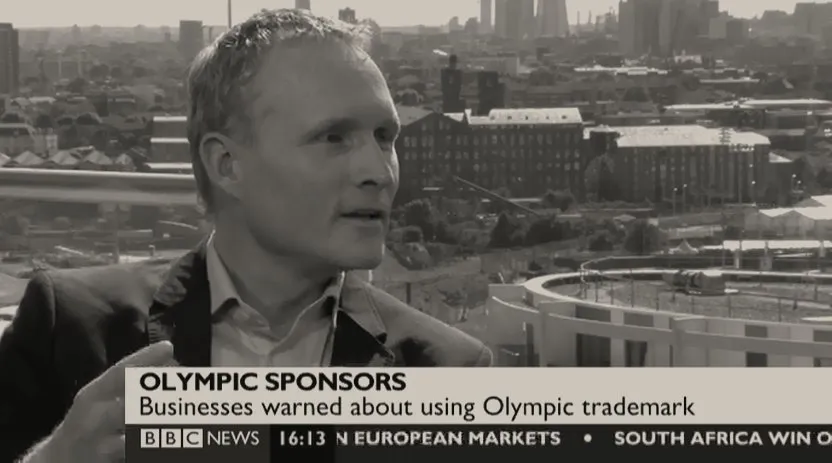
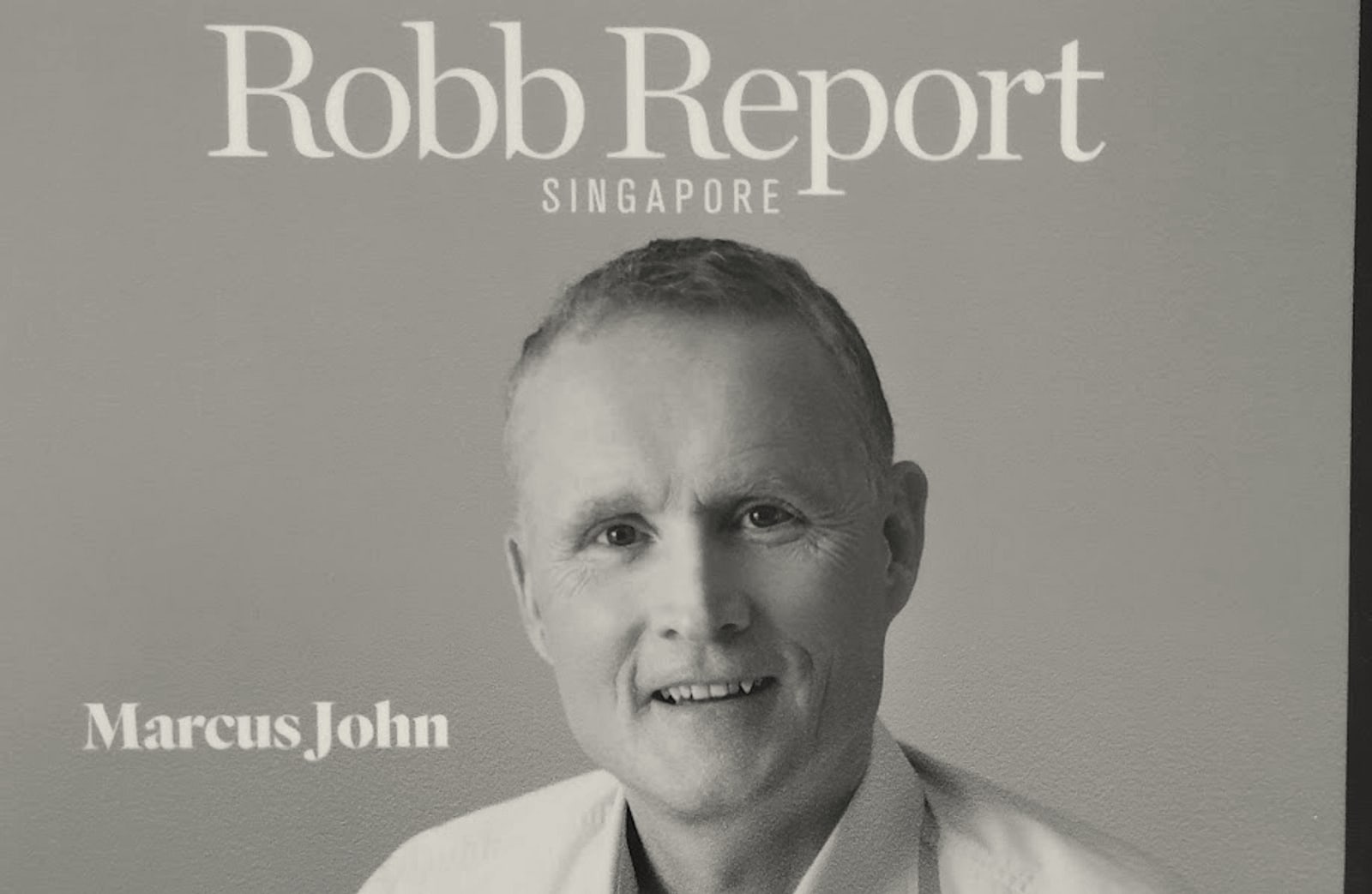
Thirty years on the record.




What our clients also have access to: Elite Mentors.
Senior figures who have built and exited significant careers, across media, banking, healthcare and beyond. Not advisers. People who have lived the second act and choose to help others navigate it. As you move through your own transition, real insight from someone who has already done it is worth more than theory.
Ganesh Rajaram
Media and Entertainment
Former CEO for Asia and Latin America at Fremantle, the Academy Award-winning global studio. Three decades building media and entertainment businesses across Asia, from Singapore to China to India.
He spent over twenty years at Fremantle, one of the world’s largest independent studios, rising to Chief Executive for Asia and Latin America and a seat on the global leadership team. He built the company’s Asian business from a standing start into the region’s pre-eminent content operation, and doubled earnings across his territories as CEO.
Before Fremantle he held senior roles at MediaCorp and SPH MediaWorks in Singapore, and began his career as an award-winning sports columnist. He served as a Nominated Member of Parliament in Singapore, sat on the board of the Media Development Authority, and completed the Advanced Management Programme at Harvard Business School.
He now advises selected organisations across media, content and the public sector, and mentors those navigating the years after a career at the top.
Cliff Go
Entrepreneur in Residence, INSEAD Singapore.
Two firms built. One sold.
Cliff is an Entrepreneur in Residence Mentor leading the Startup and Career Bootcamp at INSEAD Singapore (the Financial Times' #2 global MBA).
He takes participants through the end-to-end mechanics of building a venture. Rather than focusing solely on launching companies, the program allows individuals to test their entrepreneurial drive before putting significant time and capital at risk.
For Laureate’s clients, entrepreneurship is a frequent "second act" that often begins just as steady income ends, funded by capital that must last for decades to come. Cliff brings pre-launch discipline to this transition, ensuring the team, the business model, and the founder's appetite are stress-tested before life-altering commitments are made.
Peak earnings can end. Your prosperity shouldn’t.
All discussions are strictly confidential.
Laureate Capital Partners provides life-strategy and planning services. Regulated wealth-management and investment advice is delivered exclusively through our MAS CMS-licensed partner firm Swaen Capital Pte. Ltd. Laureate Capital Partners does not itself provide regulated financial advice. Nothing on this site is an offer, recommendation or solicitation to buy or sell any financial product.
© 2026 Laureate Capital Partners
All rights reserved